Cultural Irrelevance: the greatest risk a brand faces
Cultural irrelevance is when ideas, brands, or policies fail to align with a community's existing values, social structures, and traditions.
TL;DR: the greatest risk a brand faces today isn’t its competition, it’s cultural irrelevance. Cultural irrelevance doesn’t announce itself. It creeps in. It looks like consistency. It feels like playing it safe. Until one day, the people you built for have disengaged, and you didn’t even notice them leave.The biggest threat to a brand isn’t a competitor launching a better product or undercutting them on price, it’s becoming irrelevant to the culture their audience lives in.
Because the brands people actually care about aren’t winning on features or price, they’re winning on meaning. They’re winning on a feeling, a sense of “this brand gets something about me that others don’t.”
Culture doesn’t pull people in by being palatable or timely. It pulls people in by giving them permission to feel differently than they were told to feel. About the category, about themselves, about what’s possible. That’s what a truly cultural brand does. It doesn’t change people’s minds, it validates something they already believed but didn’t have language or community for yet.
Brands that actively make themselves part of culture grow nearly six times more than those that don’t. (Kantar)
And it’s well known that around 64% of consumers are now belief-driven buyers who want brands to deliver on societal issues, as well as products.
If we’re looking at social, in a study by Warc and TikTok, Gen Z respondents aged 18-24 were 38% more likely than those aged 25-45 to consider content culturally relevant if it uses the jargon or slang of their communities. If this isn’t a strong case for a carefully considered, relatable tone of voice then I don’t know what is.
And, since Gen Z is expected to comprise 27% of the global workforce by the start of 2026, and made up $984 billion in spending power in 2023, this surely counts for something.
More so than Millennials (who grew up with brands talking at them before social media evolved), Gen Z expect to be a part of the conversation. Digital natives by nature, they naturally spend their time online. Lots are creators. Most engage in brand conversations.
In fact, if you hit their sweet spot, Gen Z will create the buzz for you, just as they did for McDonald’s 50th birthday campaign where they introduced a limited-edition blueberry purple milkshake called the “McDonald's Grimace Shake” to celebrate their mascot Grimace's birthday – a nostalgic character McDonalds first used in 1971.
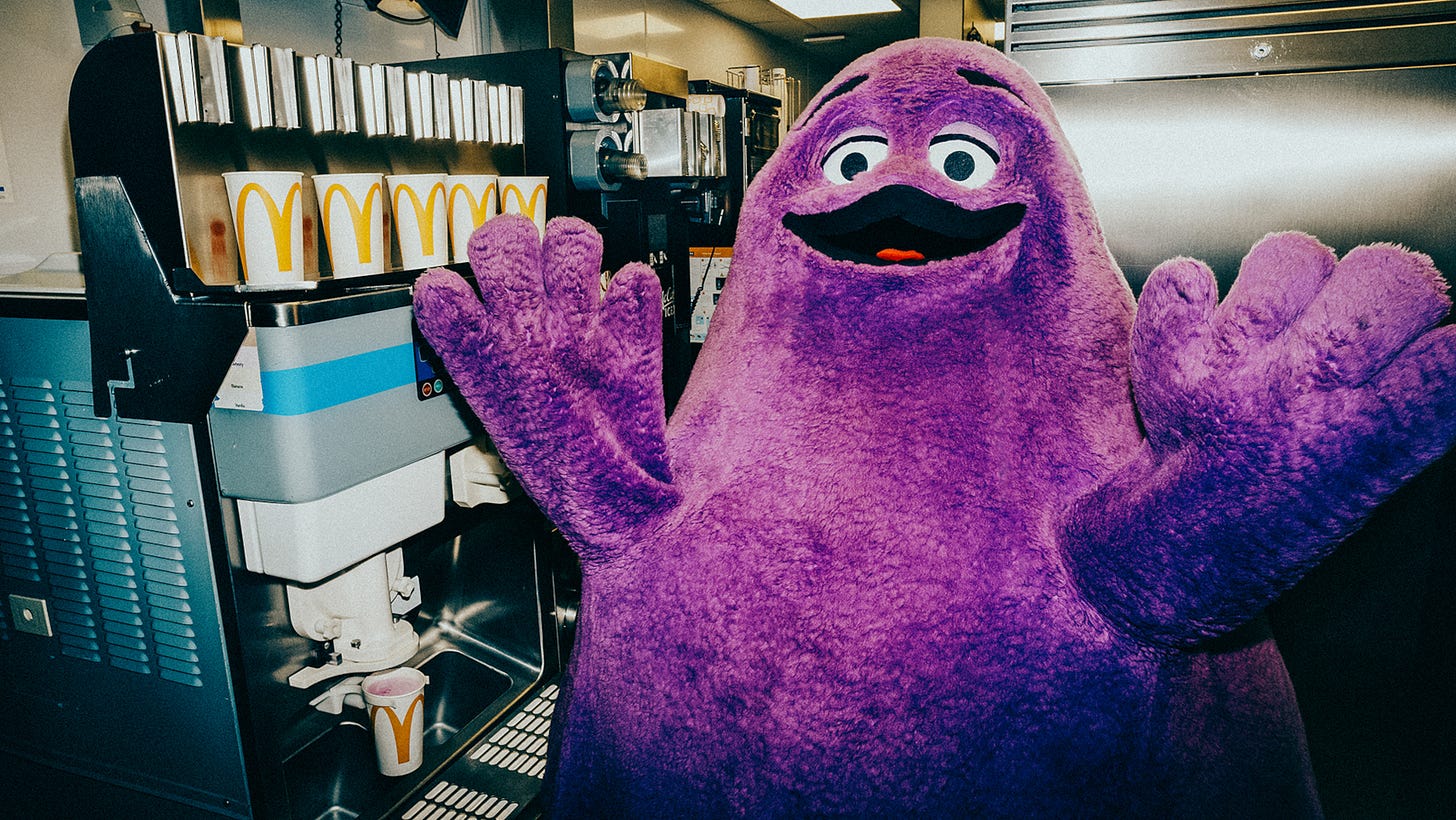
Safe to say, Gen Z fans lapped the campaign up. In fact, the campaign was such a success that McDonald’s still uses Grimace today across their social.
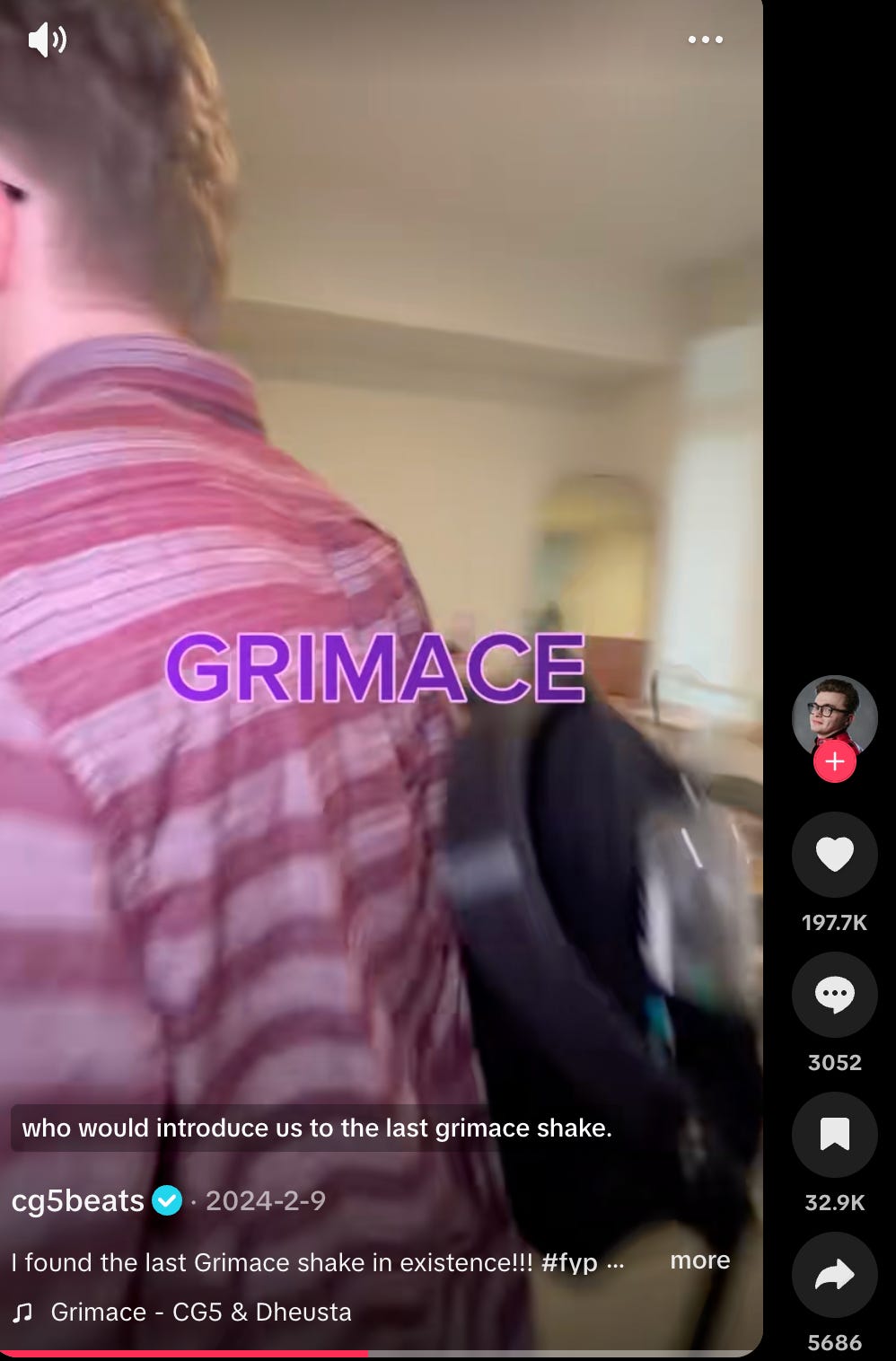
But groups aside, is this an example of what people consider “a cultural brand”?
In Kantar’s Media Reactions 2024, 48% of people said humour made them most receptive to brands, 47% said “good music” and 42% said an “interesting story”.
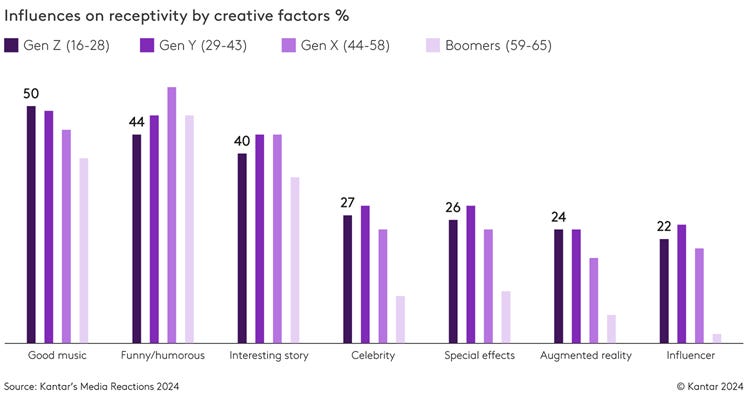
Source: https://www.kantar.com/inspiration/advertising-media/age-is-just-a-number
In McDonald’s Grimace case, much like Duolingo and Scrub Daddies, humour plays the leading role in making these brands feel “cultural”.
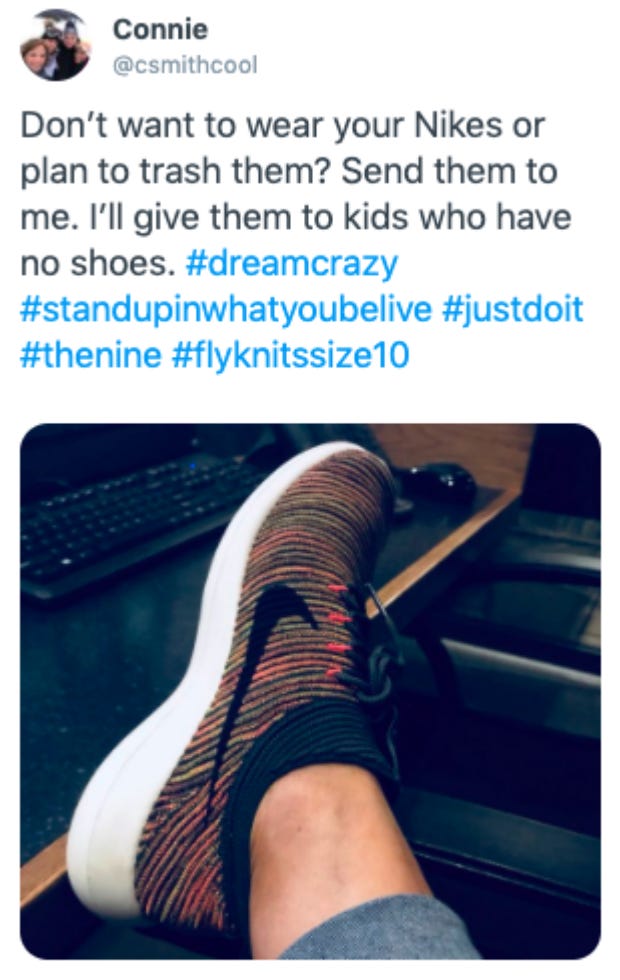
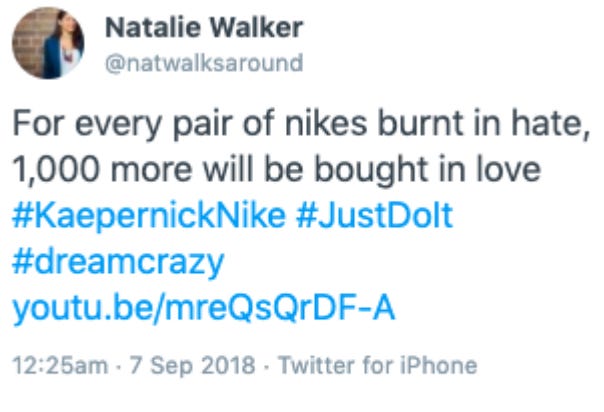
Let’s take another angle. In 2019, Nike partnered with athlete-turned-activist Colin Kaepernick (a polarising figure due to his protests against racial injustice) and created an Emmy winning campaign called “Dream Crazy. The commercial featured Kaepernick alongside other sports legends including Serena Williams and LeBron James, and was all about using the power of sport to move the world forward. Nike’s sales rose 31% in the days following the campaign launch.
But Nike wasn’t just selling trainers, it was staking a position in the cultural conversation around race, female empowerment and freedom of speech. It didn’t try to be palatable, it validated beliefs that a large part of its audience already held. Beliefs about outdated stereotypes, female empowerment, the fight for equality amongst women and underrepresented groups.
While grounded in sport, “Dream Crazy” quickly outgrew it. What began as an athletic campaign evolved into a cultural rallying cry – one that urged people everywhere to defy constraints, whether personal, societal or institutional. From aspiring entrepreneurs to activists, from students to seasoned professionals, its message travelled far beyond Nike’s core audience, encouraging people to take risks, challenge the status quo and pursue change on their own terms.
Nike extended the campaign with a second instalment, Dream Crazier. Narrated by Serena Williams, the digital film spotlights female athletes and reframes the criticism so often directed at them. In the ad, Williams repeats the labels women are given:
“If we want to play against men, we’re nuts. And if we dream of equal opportunity, we’re delusional. When we stand for something we’re unhinged. When we’re too good, there’s something wrong with us. And if we get angry, we’re hysterical, irrational, or just plain crazy.” (Williams, 2019).
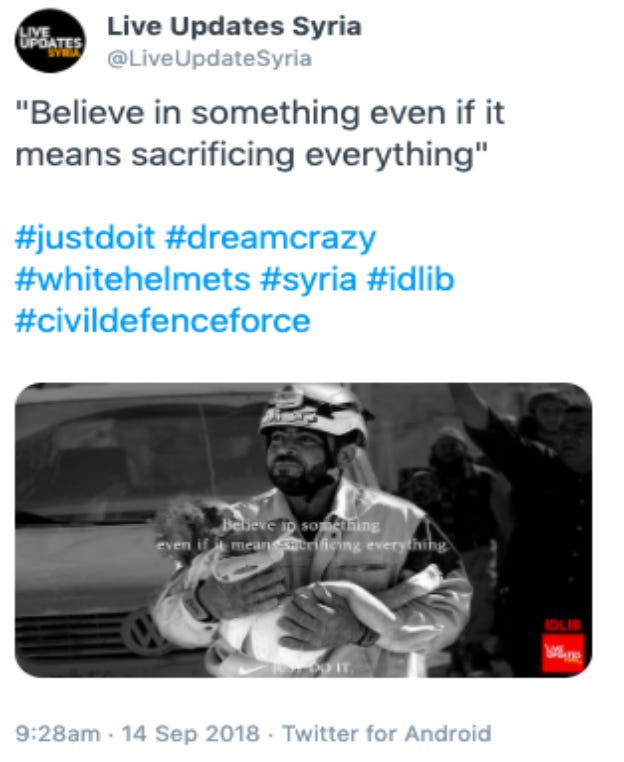
Often, the most powerful position a brand can occupy isn’t market leader, it’s counterculture.
Not provocative for the sake of it. Not provocative without substance, but genuinely oppositional to a status quo, aligned with the people who already suspected things could be different.
But it’s not just about tapping into culture
It’s about shaping and owning your role. It's about activating culture in a way that aligns with your brand positioning and tone of voice. For example:
Duolingo: unhinged, self-aware, playful
Jellycat: fun, sensorial, expressive
Rhode: intentional, warm, familiar
Blank Street Coffee: accessible, outdoorsy, community-oriented
Skims: brazen, confident, empowered
Dove: empowering, caring, sincere
Lush: playful, youthful, purposeful.
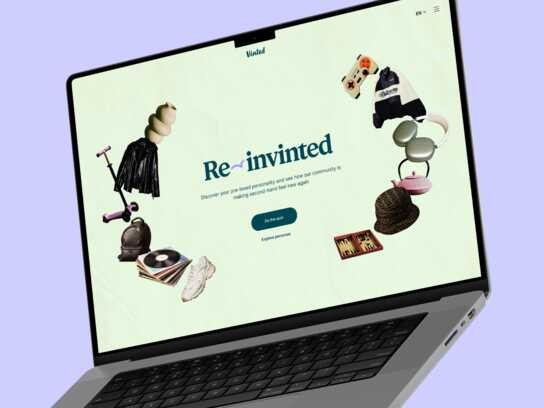
Vinted removed the stigma attached to buying second-hand by owning its playful, quirky role in online shopping. Community-led campaigns like “Don’t Wear It? Sell It.”, Vinted made preloved feel normal, smart, culturally acceptable and even desirable – selling clothes has become empowering rather than embarrassing. The flex is no longer just “I bought something new”, it’s “I found this and gave it a new home.”
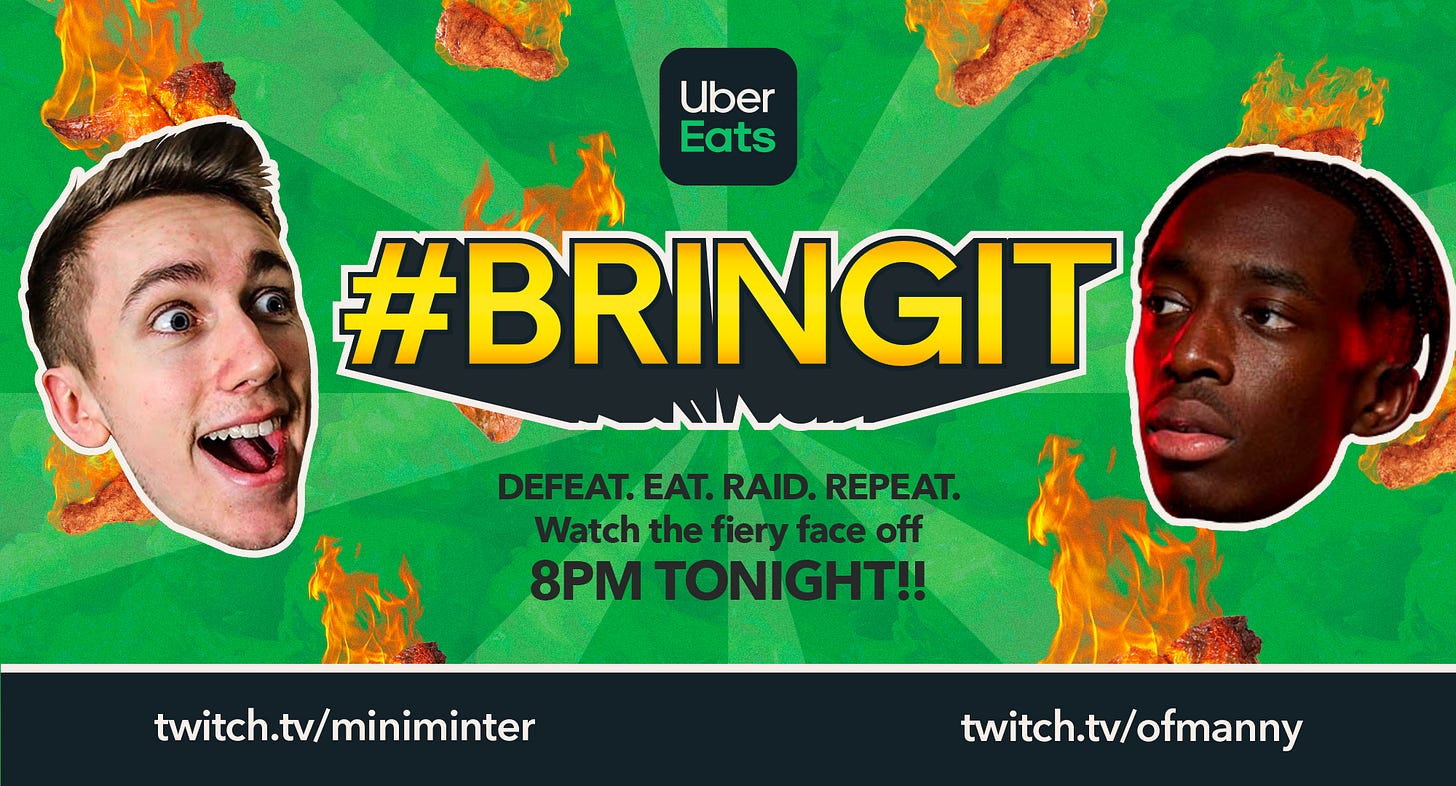
Uber Eats owned its role of bringing people together through food and ritual. Through its partnerships with Twitch and Disney+, it normalised the idea that food delivery is part of shared cultural rituals and embedded itself into moments people already cared about: gaming, binge-watching and fandom. Ordering in became something you do with others while relaxing, watching, gaming and streaming – all boiling down to connection.
Jellycat cultivated a role of comfort and nostalgia in a post-pandemic world that craved friendship, trust and companionship. Alongside its Gen Z audience, both brand and consumer helped dismantle the stigma of owning toys as adults. On platforms like TikTok, users shared collections, unboxings and “treat yourself” purchases with the toys serving as emotional support, aesthetic accessories and identity markers.
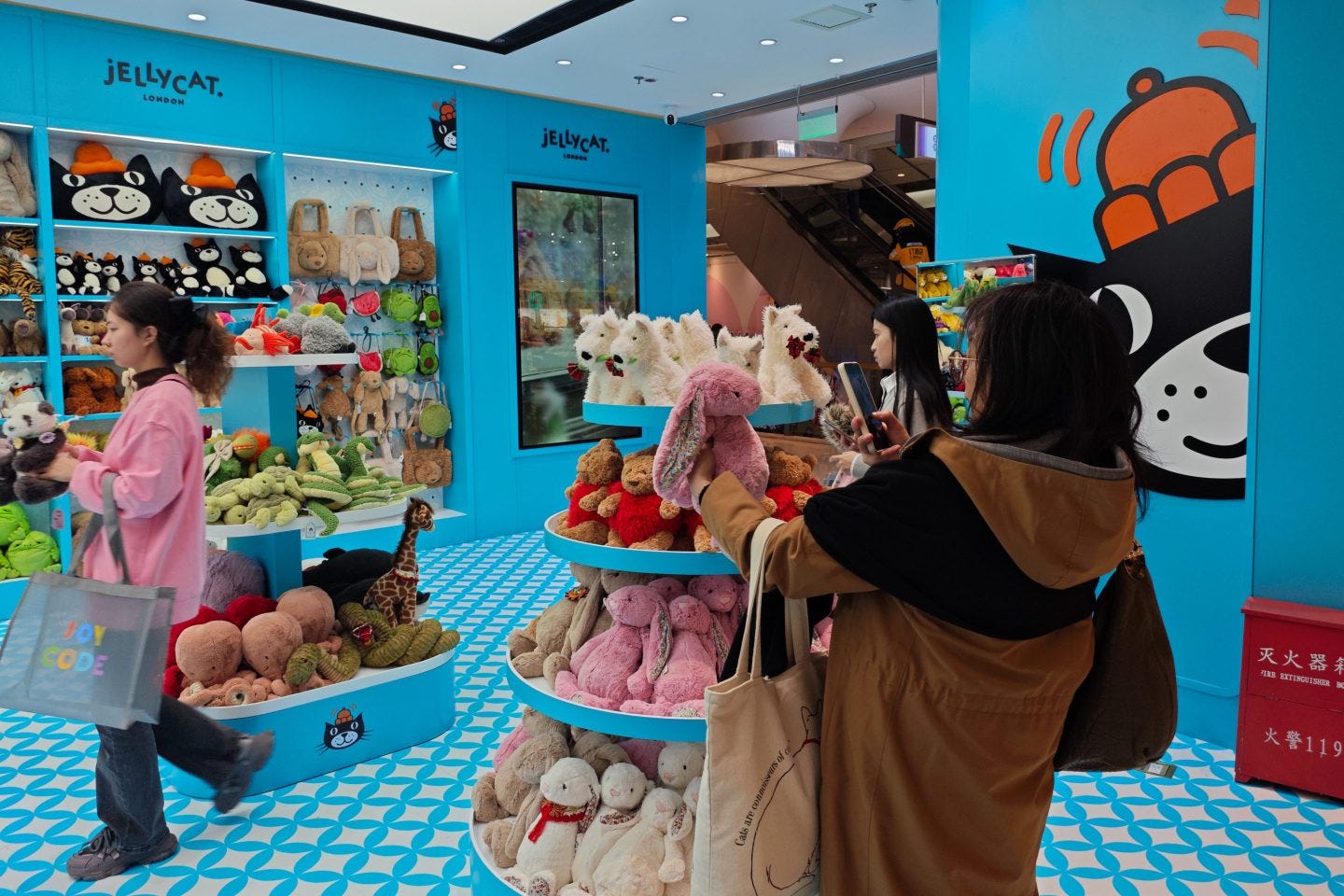
Jellycat validated something Gen Z already felt but hadn’t fully normalised: it’s okay to seek softness in a hard world.
And that’s what cultural brands do. They don’t manufacture desire out of thin air. They legitimise an emerging emotional truth and give people language, community and symbols to express it.
A business has to be able to recognise shifts before they surface, by understanding the underlying forces shaping consumer culture. Where others might see random fluctuations, the business has to see patterns. While others react to what’s trending, the business creates the trend.
How to create a cultural brand – some questions to ponder
What does your brand – and audience – actively reject?
What norms in your industry do you both find quietly absurd?
What do your audience talk about when your band isn’t in the room?
What contradictions and tensions are they battling in their life?
The tools, tactics and thinking behind brilliant brand communication
Gab Lab is a space where brand builders and creatives can learn how to wield language with intention, creativity, and strategic bite.