What makes a brand world, a world?
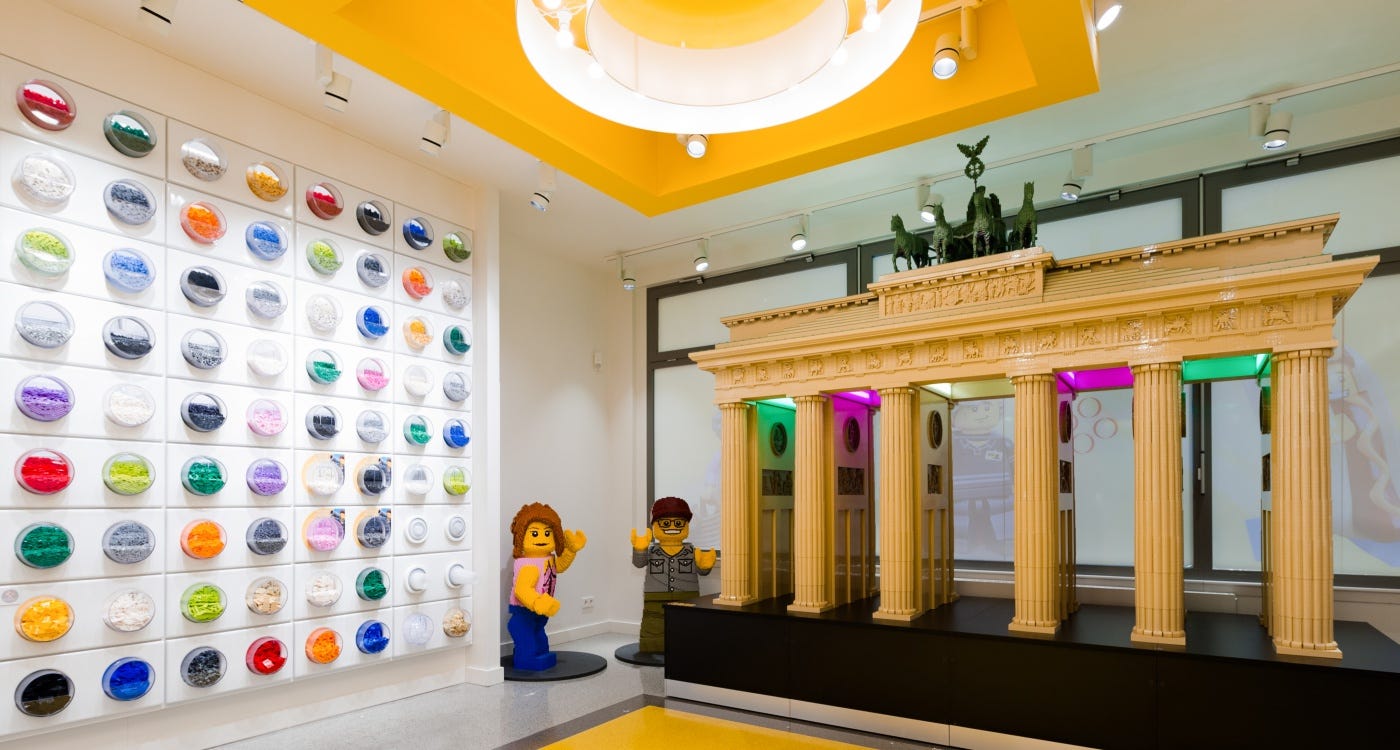
The first place I ever felt the power of a “world” wasn’t a brand, it was a house.
It belonged to a friend of mine I knew from school. The walls were painted a deep, rich brown. There were posters tacked up slightly crooked, books stacked instead of shelved, a faint smell of cooking mixed with clean laundry. Everything in that house seemed to agree with everything else. Even the clutter felt intentional. When you stepped inside, you instantly understood who lived there – what they liked, how they thought, what mattered to them – without them saying a word.
I didn’t have the language for it at the time, but I remember how it made me feel: grounded, curious, like I’d entered somewhere that felt so imperfectly complete.
When I was thinking about this article, I was thinking about a metaphor that could explain the rather vague concept of a brand world. I realised, looking back, that “worldbuilding” isn’t just for marketing. It’s something that almost anyone who’s done up a room or a house has, whether they realise it or not, actively been involved in.
You don’t start by choosing a theme. You start with small, human decisions. What stays, what goes. What gets fixed, what gets lived with. Which quirks you keep because they feel like you, and which ones quietly disappear over time.
That house wasn’t perfect. The floors creaked. Some of the furniture didn’t match. But nothing felt accidental. Every choice – the colours, the objects left out on tables, the way the rooms flowed into one another – told a consistent story. Not because someone had sat down and created a strategic plan, but because the people who lived there knew what they liked and made decisions in service of that.
That’s what a brand world really is.
The accumulation of decisions that all point in the same direction. It’s what happens when values, voice, products, experiences, visuals, and behaviour agree with and reinforce each other – and when they don’t, you feel it immediately.
For beginners, branding often feels abstract or intimidating. But if you’ve ever created a space that felt like home, even temporarily, you already understand the fundamentals. You already know how to build a world.
Let’s break down how to create a brand world that resonates with your audience, feels authentic, and builds long-term fans…
The idea of a brand world is more than a trend. In my humble opinion, it’s the future for brands. In an era where competition is fierce, customers are savvy, and there’s a new startup doing exactly what you do everywhere you look, brands need to do more than just offer something useful.
They need to create unforgettable experiences. A universe that people want to inhabit and actively participate in.
(I’ve talked a bit about Stranger Things’s approach to worldbuilding: you can find a deep dive into everything they did to build their brand universe here).
But how exactly do you go about building a brand world if you’re a humble startup?
The good part is, the journey doesn’t have to begin with a massive, all-encompassing strategy. You can start small, and like any world, the larger ecosystem will emerge from the foundational building blocks.
Where to begin with creating a brand world
1. Start with your core values
Every world needs a guiding principle. In other words, a reason to exist in the first place. Without this foundation, your brand risks coming off as shallow or unrelatable. This guiding principle is where your brand ethos comes in. Ethos is about identifying what you stand for and using those values as a framework for everything else that follows.
For example, Patagonia’s ethos isn’t just to sell outdoor gear, it’s to promote environmental sustainability. This principle doesn’t just shape what they sell but also their messaging, collaborations, and even how they design their products. Whether you’re launching a new product line or working on a marketing campaign, your guiding principle should drive every decision.
Your brand’s ethos should be built around questions like:
What do we believe in as a business?
What are we trying to change or improve in the world?
How do we want our audience to feel when they interact with us?
Once you’ve defined this, it becomes your brand’s internal compass, influencing everything you do, from content creation to partnerships and product development.
2. Construct your story
Every brand world needs a story, something that brings it to life, something people can follow, engage with, and remember. The narrative element of your brand world isn’t just about telling a story, it’s about creating a story that – crucially – your audience can actually see themselves in. The best stories invite people in, rather than just being told from the outside.
To begin building this narrative, think about your brand’s origin and purpose. Did it emerge out of frustration with an existing problem? Was it created by a group of people with a shared vision or experience? This becomes your foundation. From there, you can expand, creating characters, struggles, triumphs, and even subplots that mirror the journey of your audience.
Nike’s story isn’t just about selling athletic wear. It’s about pushing limits, breaking barriers, and inspiring individuals to reach their full potential. The narrative of overcoming challenges, be it physical, mental, or societal – is woven into their campaigns, collaborations, and product launches. Their story becomes a mirror for their audience’s own struggles and triumphs.
The key to a powerful brand story is to:
Ground it in your principle – your values should guide the arc of your story.
Use storytelling as a tool for connection, not just for selling things.
Make sure your story feels authentic, even when it’s aspirational. Your audience should see themselves in it.
3. Start with micro-experiences
Bring your world to life, one interaction at a time. Great brands don’t just make products, they make experiences. And not just big, grandiose experiences. Often, it’s the small, repeatable moments that end up having the biggest impact. The goal is to immerse your audience in the world you’re creating with micro-experiences that can be consumed on the go—whether that’s through your social media, email newsletters, or even limited-run product drops.
These micro-experiences help reinforce your brand ethos and story in bite-sized, digestible formats. Think of these like small, repeated chapters in your brand’s larger narrative. For example, a clothing brand might share quick styling tips or user-generated content to highlight how their product fits into real lives, reinforcing both the ethos and story they’ve built. Or, a tech company might release “behind the scenes” content that shows how they’re working toward their sustainability goals, connecting to their values in a more personal way.
How do you build these micro-experiences? Start by:
Using your existing platforms (Instagram, TikTok, YouTube etc.) to share relatable, real-world content.
Engaging directly with your audience through comments, polls, and shout-outs to create a sense of participation.
Repurposing content in different formats (e.g., turning a blog post into a social media thread or a behind-the-scenes video).
4. Extend your universe
Now that you’ve laid the groundwork for your ethos, story, and micro-experiences, it’s time to think about how to expand your brand world, and one of the most powerful ways to do this is through collaborations and partnerships. These allow you to bring new dimensions to your world without completely reinventing the wheel – you can tap into other established communities, cultural movements, or industries to expand your reach and credibility.
One thing to note is that partnerships should never feel like a “sell-out” move. They should always align with your values and story and feel like a natural, complimentary extension of your brand, rather than a random collaboration that dilutes your story.
5. Bring it all together
This is where your brand world truly becomes tangible. Now that you’ve defined your ethos, created a story, and established micro-experiences, it’s time to think about how you can immerse your audience in your world, physically, digitally, or both.
This might involve:
Physical spaces: Pop-up shops, flagship stores, or even product launch events that feel like your brand’s universe in real life.
Digital spaces: Virtual experiences, interactive websites, or social media activations that let people engage in a more interactive way.
The key here is to make these spaces feel like an extension of everything you’ve built up until now. If your ethos is about community, make sure your physical or digital spaces invite engagement and collaboration. If your story is about adventure or exploration, build experiences that feel spontaneous and exciting.
Some examples of brands doing this well include:
Apple’s Stores, which feel less like retail spaces and more like hubs of innovation, where people can engage with products and ideas.
Nike’s SNKRS App, which brings a sense of exclusivity and excitement through its digital experience, making fans feel like they are part of something bigger than just a sneaker drop.
Some things to think about:
Consider your audience’s behaviour. Do they prefer in-person experiences or digital interactions?
Make your spaces feel personalised and unique to your brand world.
Continuously adapt and evolve these spaces based on feedback and engagement to keep your audience excited.
If it all feels like a lot, you can breathe a sigh of relief. You don’t have to create everything in one go – start small, as simple a step as possible, and build from there.
The tools, tactics and thinking behind brilliant brand communication
Gab Lab is a space where brand builders and creatives can learn how to wield language with intention, creativity, and strategic bite.