Vacation: The most leisurely brand world ever
Vacation isn’t just a brand – it’s a fully fictional universe you can step into. And the clever part? That world existed before their first product even launched.
This is the second article in a 5-part series showing how brands can build a universe that makes every post, product, and experience feel connected and irresistible.
The Brand Universe
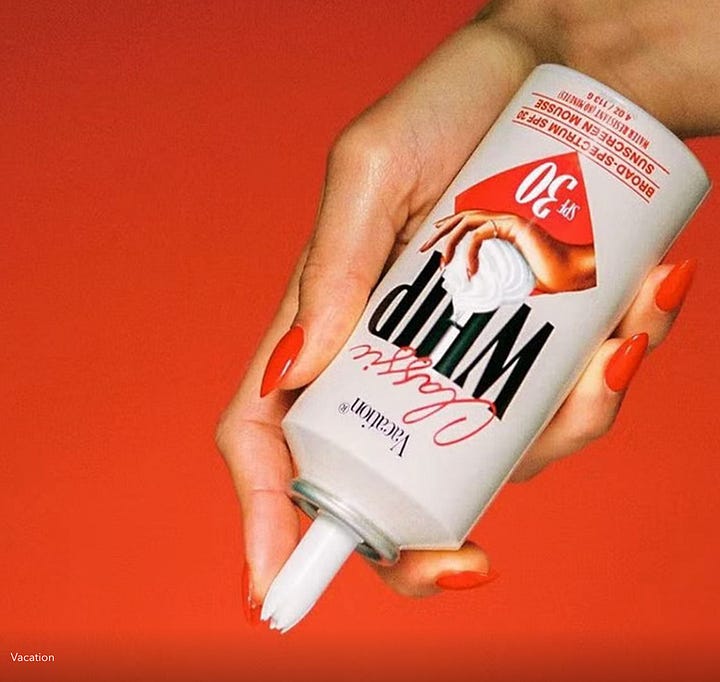
We all know that sunscreen is critical for anti-aging and protecting skin from the sun’s harsh rays, but at the end of the day, it’s not exactly a category bursting with innovation or personality. At least that was the case, until Vacation came around.
Vacation is a Miami-founded fictional universe created to sell premium lifestyle and leisure products. Think chic beachwear, home goods, and getaway experiences. They’ve managed to position sunscreen as a fun accessory, moving away from the clinical, functional way the category has traditionally been marketed.
The founders of Vacation didn’t start by designing products. They started by designing the world those products would live in. They imagined a brand world, somewhere between Miami, Bali and your favourite design magazine, where every product, post, and collaboration felt like a part of a larger escape.
Rules that make it real

Every brand universe needs its own rules for consistency’s sake. For Vacation, that meant:
A fictional coastal town called Azure Bay with streets, beaches, cafés, and shops
Character types like ‘Leisure Socialite’, ‘Regional Merchandise Tester’, and ‘Head of Leisure Sciences’
Consistent brand habits, from Instagram updates about the Vacation team spotted on yachts or enjoying sun-drenched pursuits of leisure, to curated party Spotify playlists oozing with summer vibes.
These rules guide every post and product, keeping the brand cohesive and immersive.
Vacation doesn’t just show products – they show life in the brand world. Every carousel or reel adds a new narrative layer:
Mara curates the town’s weekend markets.
Leo is the unofficial lifeguard and DJ of Azure Bay.
They even have a newsletter called The Shoreline, sharing town gossip, secret surf spots, pop-ups and music recs, building ritualistic engagement and giving people a reason to come back.
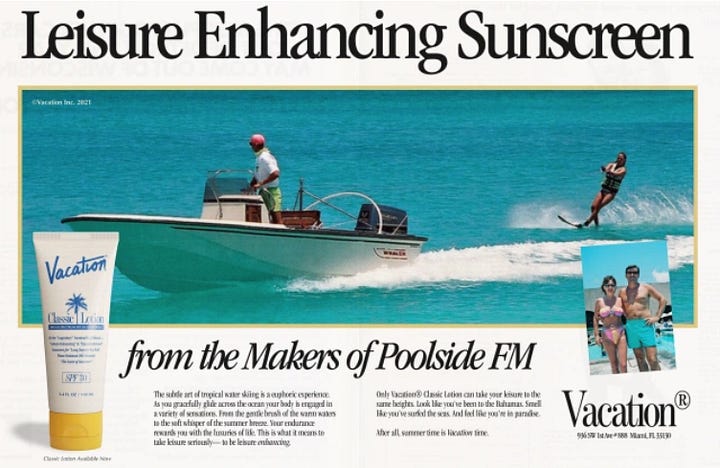
The newsletters each bear the hallmarks of the brand’s distinctive art direction, which borrows heavily from ’80s travel aesthetics and portrays a kind of summer utopia, where it will always be Saturday, the Piña Colada’s are always coming and everybody owns a yacht and a skimpy bathing suit.
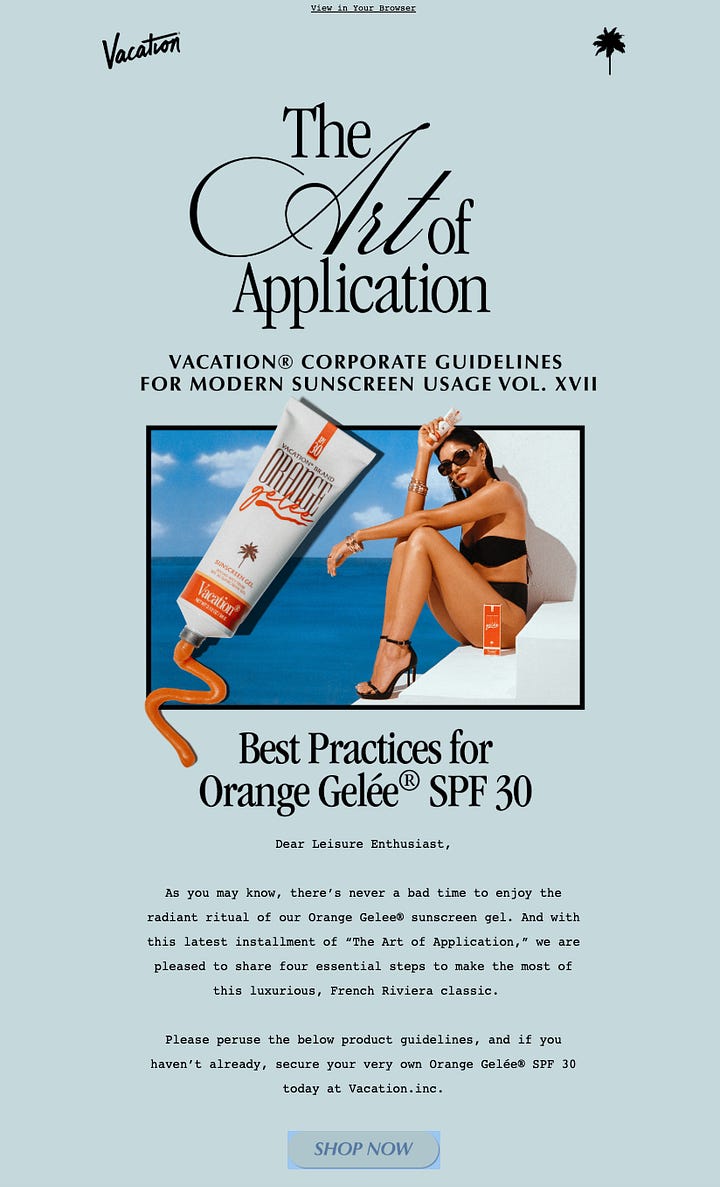
This is all incredibly strategic world building in anticipation of launching their full product line: cooling after sun, perfumed body mists and of course their trademark best smelling sunscreen.
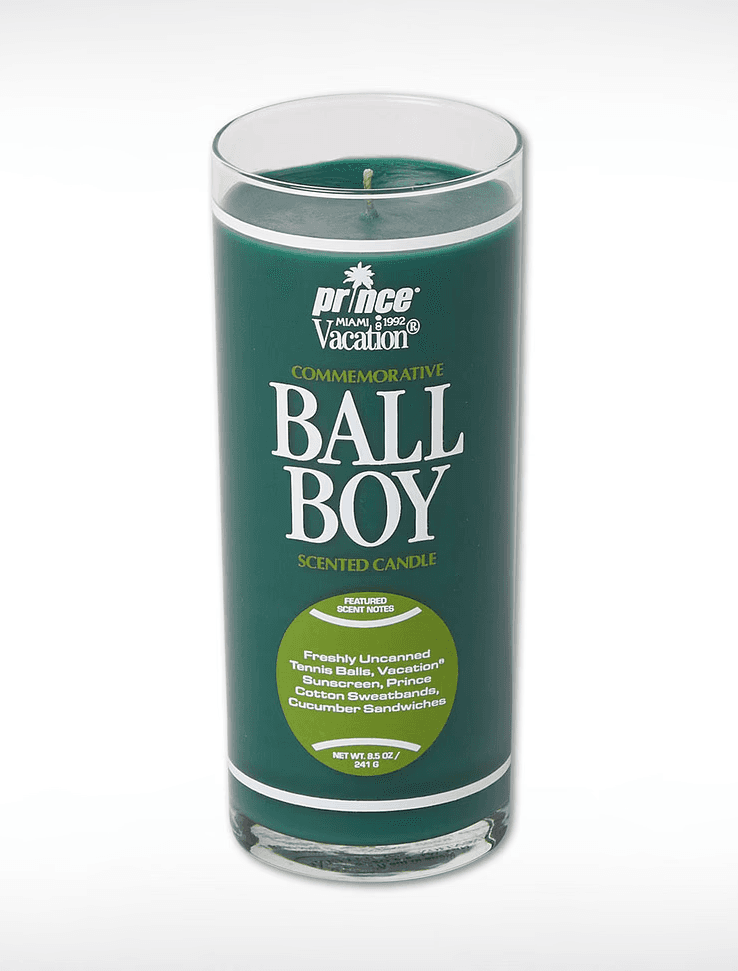
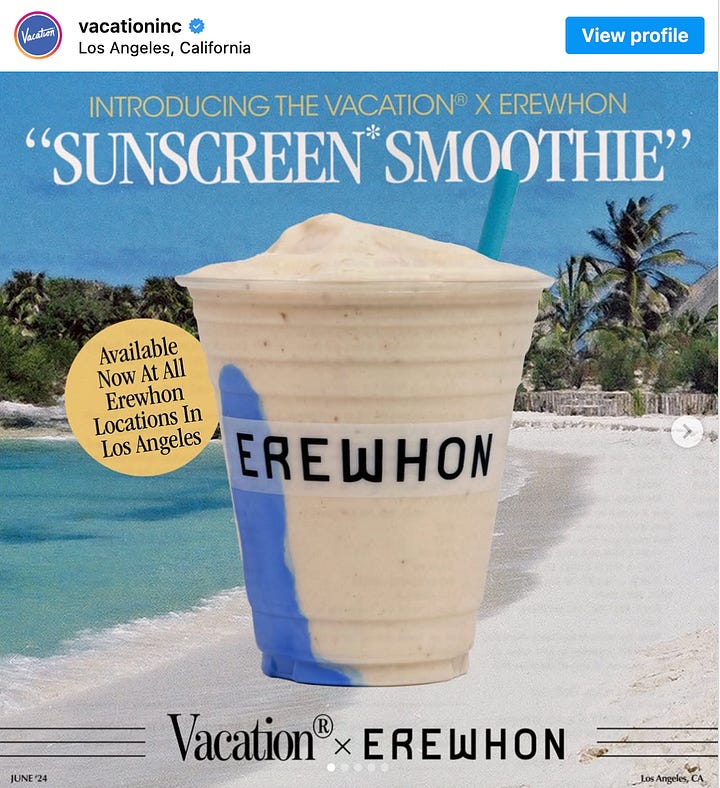
Vacation have since extended the world with a whole bunch of leisure coded merch like caps and t-shirts, even jigsaw puzzles, as well as collaborations like their Sunscreen Smoothie, released by Vacation and luxury LA-based grocery store, Erewhon, a collaboration between Prince with their Ball Boy candle, reminiscing the scent of freshly-uncanned tennis balls. Even a portable head hammock with beach lounging technology. That’s commitment to the bit and their mission to “Make sunscreen fun”.
The brand world is nostalgic and fun, but what’s perhaps most striking about it is how immersive and complete it is. Every single aspect of its offering is considered, from press and PR to email.
Takeaways
Vacation’s success isn’t about aesthetics alone. It’s about building a universe with rules, repeatable behaviours, and a clear point of view.
Here are three practical takeaways brands can actually apply:
1. Design the world before you design the product
Before launching anything, define the environment your product belongs in. Where does it live? Who uses it? What does a “day in the life” look like? Vacation didn’t try to differentiate sunscreen through formulation alone. By designing the world first, every product feels like it belongs in their world.
2. Turn values into visible behaviour
If your brand stands for something, show it through repeatable content formats, not mission statements. Don’t just tell people you’re about leisure and escapism, show it. Employee-on-yacht sightings, Spotify playlists, branded newsletters and fictional job titles are all behavioural cues that reinforce values without having to explain them.
3. Build systems not one-off moments
Create content and brand rituals that are easy to repeat, remix, and scale. Vacation’s world works because it’s operational; these characters, newsletters, collaborations, and recurring formats mean the brand can expand its world without ever becoming disjointed. They’ve got world – what’s in it can continue to shift.
Vacation didn’t make sunscreen fun by changing what it does, aside from making it smell like a Piña Colada (which in all honesty, had kind of been done before). They made it fun by changing the world it belongs to, and making every new collaboration, product or launch a part of the experience.
While Vacation’s brand universe is immersive and highly controlled, the world does at times feel a little too polished. Their next evolution could be to shift away from a world that people just appreciate from afar, to a world their audience actively help shape. This kind of worldbuilding might look like:
Letting the community play a role inside the universe – I’m thinking an Ikea-esque Roblox gaming world wouldn’t go amiss here.
Featuring real customers as characters within the world could be fun.
Creating formats where fans contribute stories, share their beach-side locations, or summer skincare (and leisure) rituals
Vacation has built an incredibly rich setting. The opportunity now is to make it more porous, less perfectly-styled-postcard, and more like a place people can step into and actually influence.
The tools, tactics and thinking behind brilliant brand communication
Gab Lab is a space where brand builders and creatives can learn how to wield language with intention, creativity, and strategic bite.