On the lost art of a good brand voice
If you write for brands, you should have at the very least a good understanding of brand voice.
So why is there so much crappy copywriting out there?! Tell me.
And more importantly, why is brand voice given a tiny little slide in most brand guidelines, with no more than 3 generic bullet points on “how we speak”? Is language so unimportant that it gets reduced to an afterthought—one vague slide in a hundred-page brand book?
So unimportant that a brand will spend months perfecting the kerning of its logo but leave its tone of voice to a few generic adjectives?
Why does brand voice get shoved into a tiny corner of brand guidelines, while colours, logos, and typography get pages of detail? Is language really so unimportant that it’s reduced to a single slide with three vague bullet points like “We’re friendly, clear, and professional”?
You can probably tell that I get extremely riled up when the verbal isn’t given the same depth as the visual.
No wonder most brands have absolutely no clue how they should be talking, the kind of language they should be using, and how to distinguish themselves through words.
A brand’s voice is the foundation of every interaction you have with your audience. And the right words, delivered in the right tone, at the right time, can turn a one-time customer into a loyal friend.
They’re not just buying a product, they’re buying into the way you communicate, the values you stand for, and the rust you build with them. Language is everything and it deserves more than a single slide in the brand guidelines.
So after my little rant, I thought I’d share some examples of crappy brand voices. Warning: some of these will make you die a little inside.
Clueless voices
There is nothing more cringey than a brand trying too hard to get down with the kids, as demonstrated by Smile.co.uk.
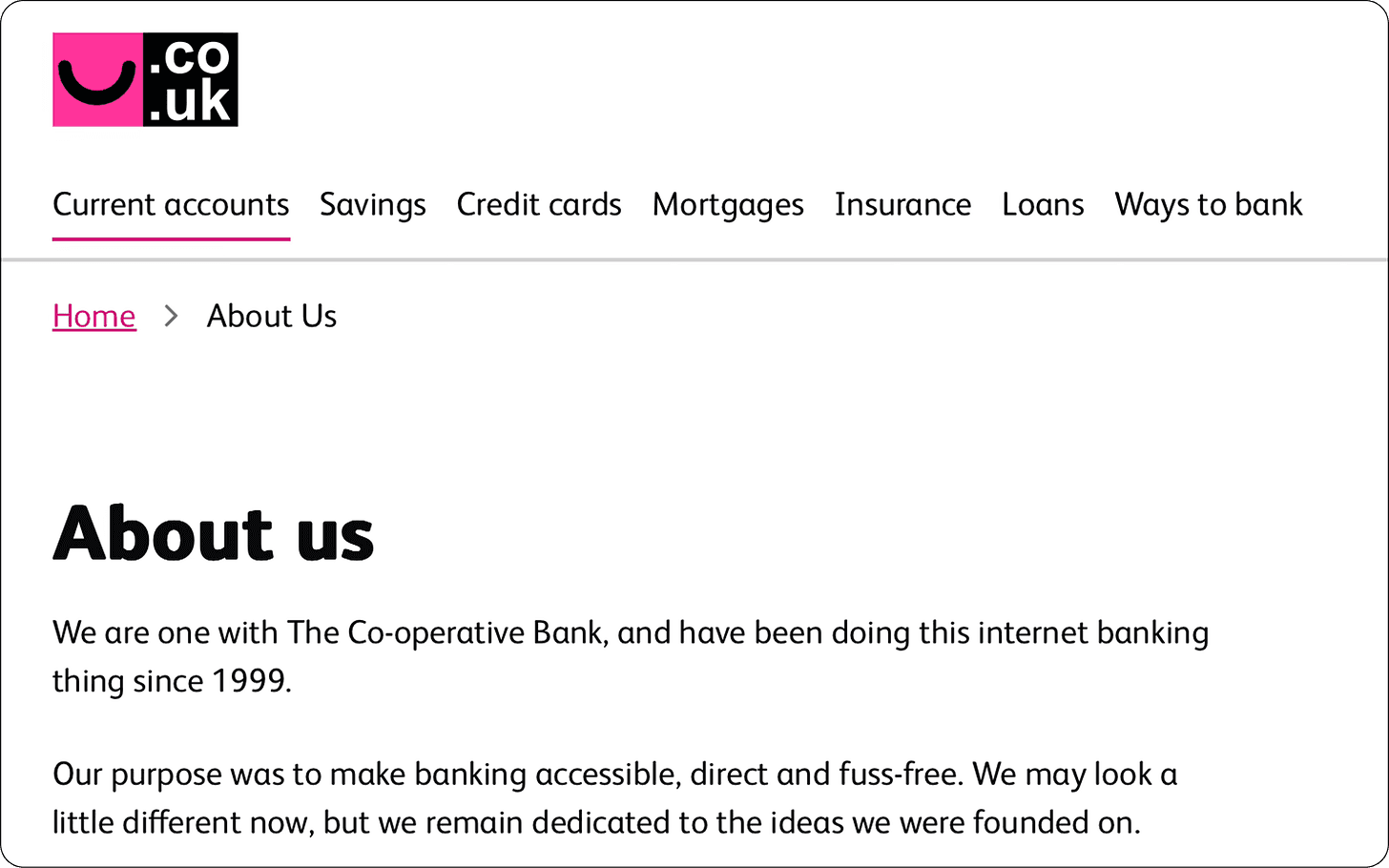
Also, being “try hard” is annoying, but especially more so when your warning message reads like a threat:

Try-hard voices
Microsoft, known for its corporate and professional tone, sent an email to interns in 2016 with lines like:
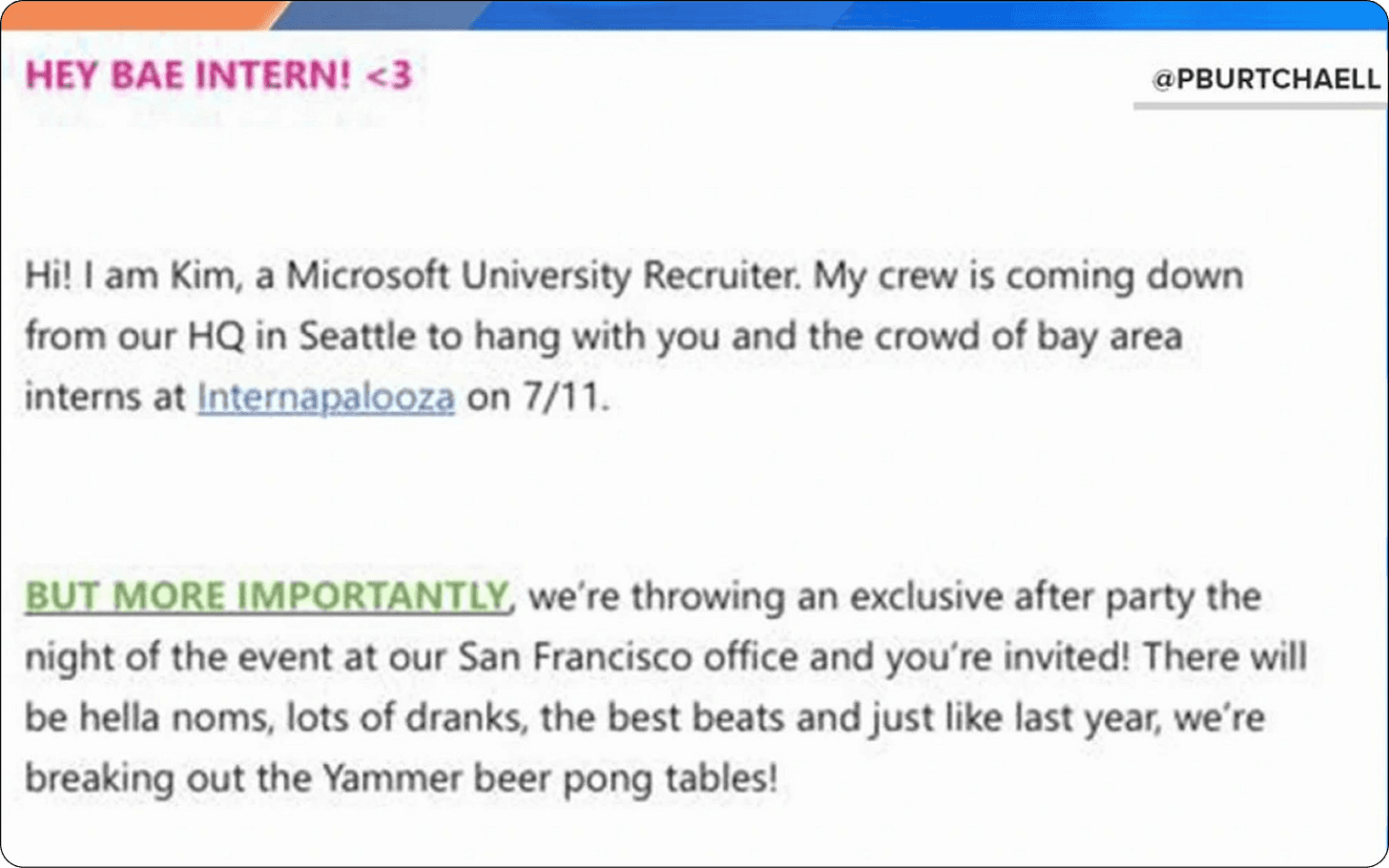
Microsoft trying to sound like a 19-year-old on TikTok just came off as forced and embarrassing. It didn’t fit their usual voice and felt like an obvious (failed) attempt to be ‘cool.’
Obnoxious voices
This microcopy by dating app The League is obnoxious and meaningless:
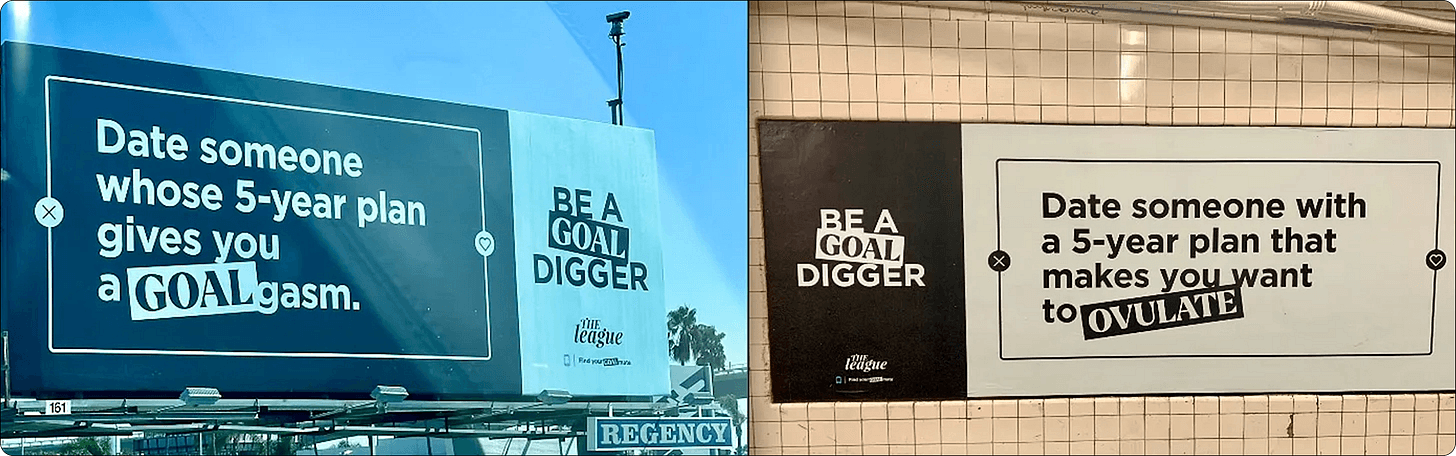
Not only are the references to "goalgasms" quite off putting, it also gives off an extremely corporate, elitist and stuffy air. No thanks.
Lazy voices
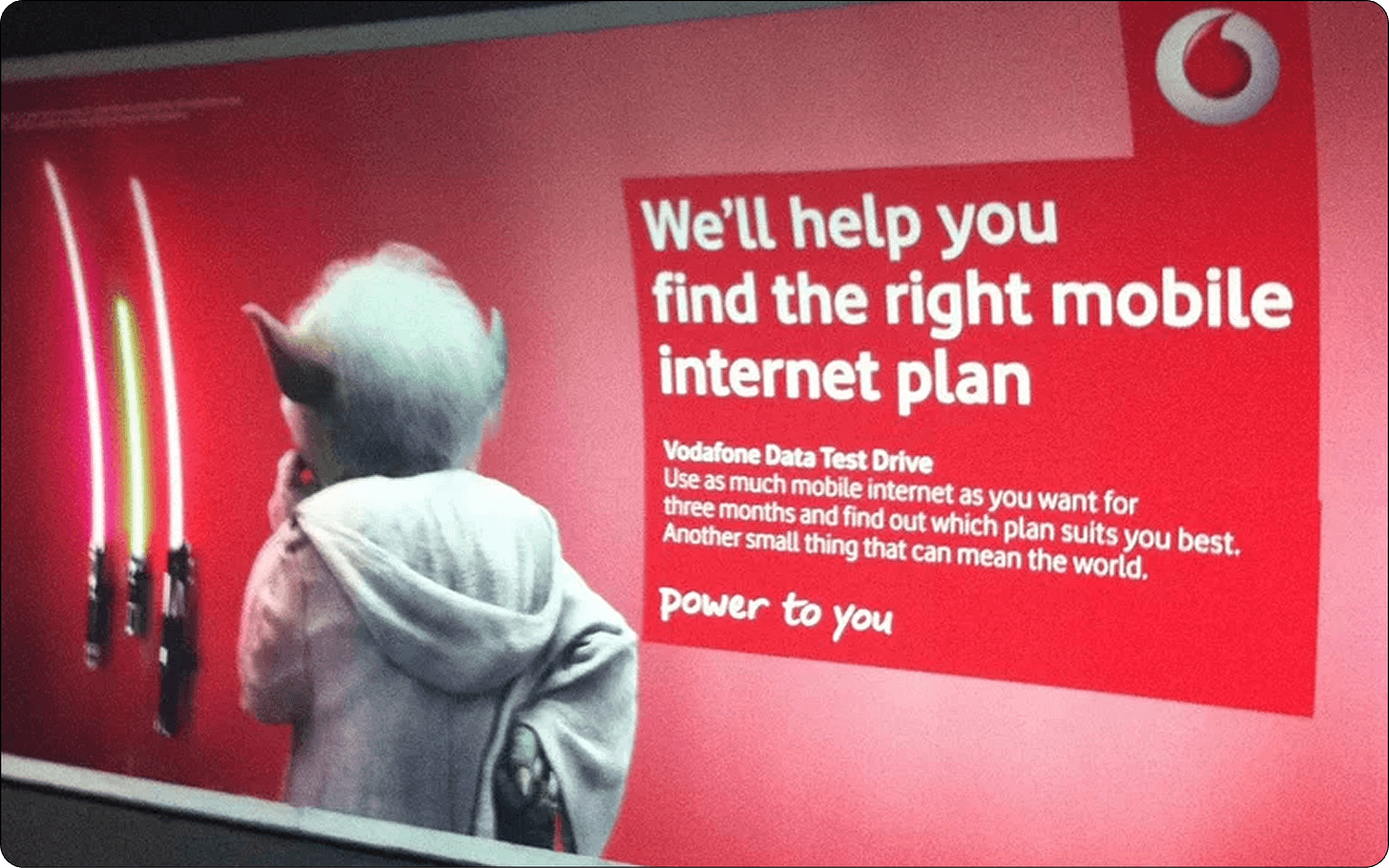
Spend £££s to get the rights to use Yoda in your ad, then just whack on any old words with zero tone of voice. This ad is so bloody depressing. No one has thought about the tone, the personality, or the effect they want the words to have.
Failed comedic voices
Standard Chartered sell auto loans, but judging by this ad, you might assume they sell groceries, coffee, or birth control. They claim that if you drink coffee or eat steak, you might soon be adding family members and, therefore, will maybe need a new car and therefore a loan from them? What on earth.
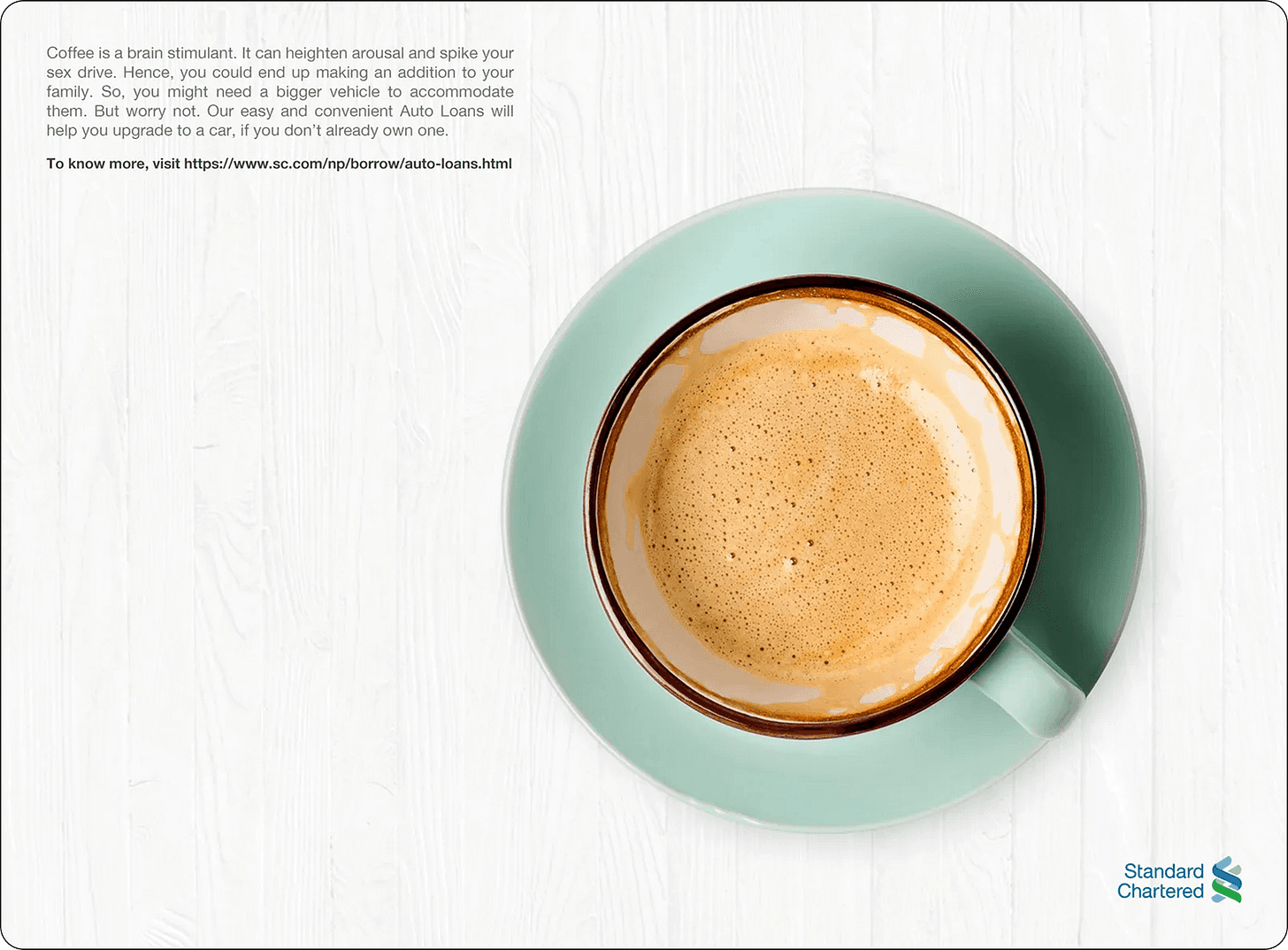
Failed comedic voices like this one are like that awkward guy at a party who tries too hard to be the centre of attention but ends up making everyone uncomfortable.
Right, that’s it for bad brand voices today folks. Feel free to share this with your fellow copywriters out there!
The tools, tactics and thinking behind brilliant brand communication
Gab Lab is a space where brand builders and creatives can learn how to wield language with intention, creativity, and strategic bite.